How to Plan a Tanzania Safari from Zanzibar
Why a safari from Zanzibar makes sense
Zanzibar is famous for its white sand beaches and turquoise waters. Most visitors come for the relaxed island atmosphere, but many do not realise that the Tanzanian mainland is only a short flight away. A safari from Zanzibar is a practical way to combine two very different experiences: the wild national parks of the interior and the calm of the coast. You do not have to choose between a wildlife adventure and a beach holiday. With a little planning, you can enjoy both on the same trip.
The key is understanding how the logistics work. Zanzibar has its own international airport, and domestic flights connect it to several airstrips near the major parks. The flight time to Arusha or the Serengeti is under two hours. That means you can leave your hotel in Stone Town in the morning and be watching lions by the afternoon. The return journey is just as straightforward. The whole arrangement saves you from a long drive across the mainland, which can take the better part of two days each way.
What to expect from a fly-in safari
Fly-in safaris are designed for travellers who value time. Instead of spending days on the road, you take a light aircraft from Zanzibar to an airstrip inside or near a national park. From there, a guide meets you and drives you directly to the game-viewing areas. You typically spend two to four nights in the bush, doing morning and afternoon game drives, then fly back to the island.
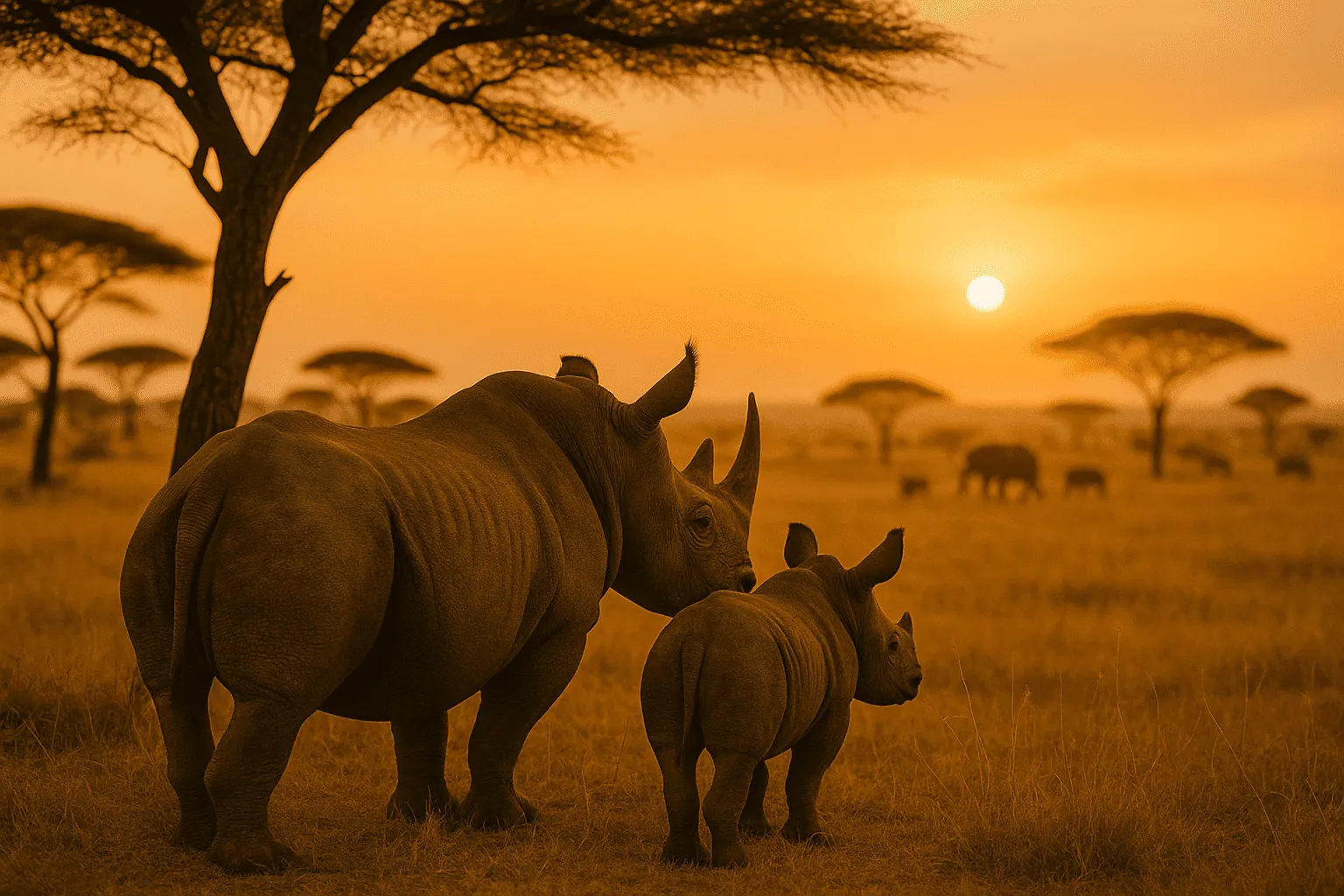
The parks you can reach this way include Tarangire, Lake Manyara, Ngorongoro Crater, and the Serengeti. Each offers a different landscape and wildlife focus. Tarangire is known for its elephant herds and baobab trees. The Ngorongoro Crater gives you a chance to see black rhino and large numbers of plains game in a contained caldera. The Serengeti, of course, is the centrepiece for anyone hoping to see the Great Migration or the big cats that follow the herds.
Accommodation in these parks ranges from tented camps to permanent lodges. Most fly-in packages include all meals, park fees, and the services of a professional guide. You do not need to arrange anything once you arrive. The logistics are handled by the tour operator, so you can focus on the wildlife.
Combining wildlife and beach time
One of the main reasons people look into a safari from Zanzibar is the chance to split their holiday between two distinct environments. You might spend the first few days on the island, relaxing and exploring the spice plantations or the historic old town. Then you fly to the mainland for a safari, and return to Zanzibar for a final stretch of beach time before heading home.
This kind of trip works well because the flight connections are reliable and the travel times are short. You do not waste a full day transferring. The contrast between the two settings is also striking. One morning you are watching a leopard drag a kill up a tree; the next afternoon you are snorkelling off the coast of Mnemba Island. The combination makes for a richer holiday than either part on its own.
Some travellers prefer to do the safari first and then decompress on the beach. Others like to start with the beach and build up to the intensity of the bush. There is no wrong order. The important thing is to allow enough time in each place. A rushed safari can leave you feeling that you missed the best moments. A rushed beach stay can feel like an afterthought. Most operators recommend at least three nights for the safari component and three nights on Zanzibar to get a balanced experience.
Practical details to consider
Flights from Zanzibar to the mainland parks are operated by small charter airlines. They use planes that carry between twelve and twenty passengers. Luggage is usually limited to around fifteen kilograms per person in soft bags, because the cargo space is tight. Hard suitcases are difficult to stow, so pack a duffel or a backpack for the safari portion. You can leave extra luggage at your hotel on Zanzibar if you are returning there.
The timing of your flights matters. Most departures are early in the morning, because afternoon winds can make landing on unpaved airstrips tricky. You will need to be at the Zanzibar airport by 7:00 or 8:00 am. The return flights also tend to leave the mainland in the late morning, so your last game drive will be a sunrise drive on departure day.
Visa requirements are straightforward. Tanzania offers a single-entry visa that covers both the mainland and Zanzibar, since Zanzibar is part of Tanzania. You do not need a separate visa for the island. Make sure your passport has at least two blank pages and that your visa is valid for the full length of your stay.
Health precautions are similar to those for any East African safari. Malaria is present in both the parks and on Zanzibar, so mosquito repellent and prophylactic medication are recommended. The islands have good clinics, but serious medical issues may require evacuation to Nairobi or Dar es Salaam. Travel insurance that covers medical evacuation is a sensible investment.

Choosing the right safari package
Not all safari packages are the same. Some are mass-market group trips that follow a fixed itinerary. Others are tailor-made tours that let you choose the parks, the length of stay, and the style of accommodation. If you value flexibility, a tailor-made tour is worth the extra planning. You can decide whether you want a luxury lodge with a pool and air conditioning or a more rustic camp that gets you closer to the sounds of the bush.
When looking at options, pay attention to what is included. A full package should cover:
- Return flights between Zanzibar and the park airstrip
- All transfers and game drives with a guide and vehicle
- Park entry and conservation fees
- Full-board accommodation during the safari
- Meals and drinks at the camp or lodge
Some packages also include a night game drive or a walking safari, but these are less common. Check whether the guide is a licensed professional with experience in the specific park you are visiting. A good guide makes a huge difference to your experience. They know where animals are likely to be, how to approach without disturbing them, and how to read the behaviour that signals an impending hunt.
When to go
The dry season from June to October is the most popular time for a safari from Zanzibar. The grass is lower, animals gather around water sources, and the weather is more predictable. This period also coincides with the Great Migration in the northern Serengeti, which is a major draw. However, the parks are busier then, and prices are higher.
The wet season from November to May has its own advantages. The landscapes are greener, the birdlife is more active, and the calving season in the southern Serengeti happens between January and March. This is also when many predators have young, so you might see lion cubs or cheetah kittens. The trade-off is that afternoon thunderstorms can interrupt game drives, and some roads become muddy. If you prefer fewer crowds and lower rates, the wet season is a good choice.
Zanzibar itself has two rainy seasons, but the main one runs from March to May. The long dry season on the island is June to October, which matches the mainland dry season. For a combined trip, the overlap between June and October gives you the best conditions in both places.
What to bring
Packing for a safari from Zanzibar requires a bit of thought because you are moving between two climates. The island is hot and humid. The mainland parks can be cool in the early morning and hot by midday. Lightweight, neutral-coloured clothing that you can layer is ideal. Avoid blue and black, as these colours attract tsetse flies in some areas. A sun hat, sunglasses, sunscreen, and a light rain jacket are useful in both environments.
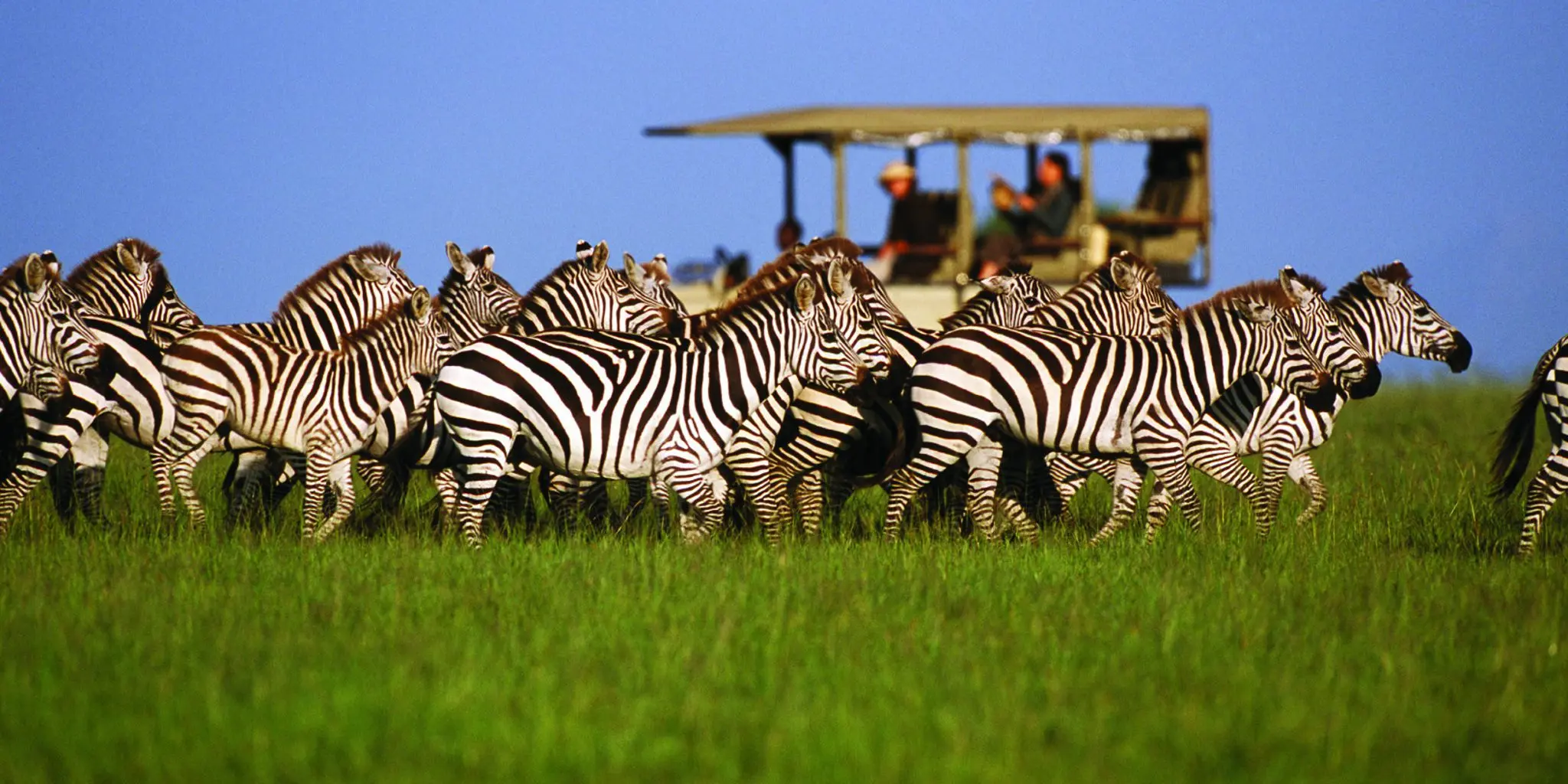
For the game drives, bring binoculars and a camera with a zoom lens. Many lodges have charging stations, but a power bank is handy. If you are staying in a tented camp, a headlamp helps after dark. Leave valuable jewellery at home. The safari environment is dusty, and lodges are not always equipped with safes.
On Zanzibar, the dress code is more relaxed, but modest clothing is appreciated when visiting local villages or Stone Town. Swimwear is fine on the beach but not in town. Reef-safe sunscreen is recommended if you plan to snorkel, because the coral reefs around the island are fragile.
A safari from Zanzibar is a practical and enjoyable way to see two sides of Tanzania in one trip. The flight connections make it viable even for travellers with limited time. With a clear plan and the right preparation, you can move from the beach to the bush and back again without the stress of long overland transfers. The key is to choose a package that matches your interests and to allow enough days in each place to really experience it. Whether you come for the wildlife, the beaches, or both, the combination offers a holiday that is hard to match.
Ends · MYSAFARIFROMZANZIBARTALK